

When a Child's Anxiety Needs More Than Reassurance
September 5th, 2027
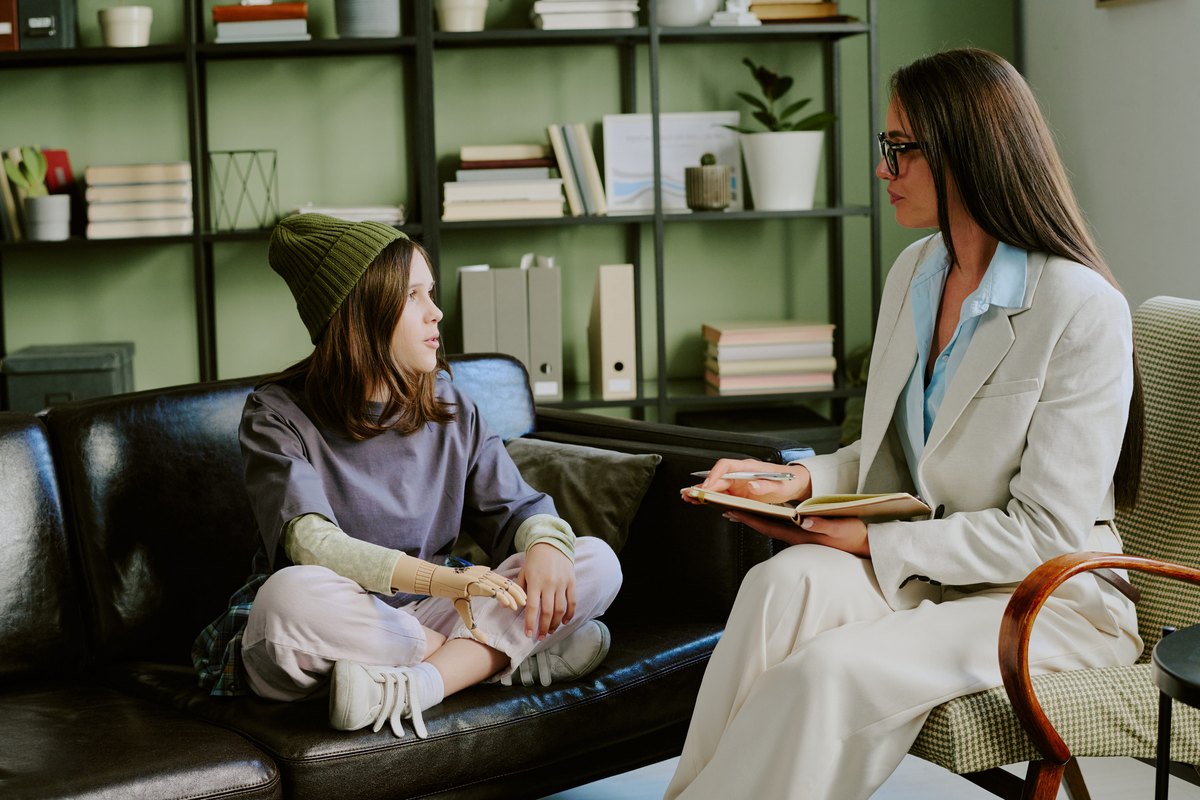
A child who is anxious asks for reassurance. A parent gives it. The child feels better for a while, then asks again. This loop is one of the most natural things in the world, and it is also one of the ways anxiety digs in.
None of that makes reassurance wrong. Comfort is part of parenting. The question is when comfort alone is no longer enough, and what to do instead.
How Anxiety Looks in Children
Young children rarely say, I am anxious. They show it, often in ways that look like something else.
- Physical complaints. Stomachaches, headaches, and nausea, especially on school mornings. A real stomachache and an anxiety stomachache feel the same to a child.
- School avoidance. Reluctance that hardens into refusal, often after a break or an illness.
- Clinging and separation distress. Trouble with drop offs, sleepovers, or being in a different room.
- Anger and meltdowns. Anxiety in children often comes out as frustration rather than fear.
- Perfectionism. Erasing work until the paper tears, or refusing to start something they might not do well.
- Sleep changes. Taking a long time to fall asleep, waking, or needing a parent present.
- Endless questions. Reassurance seeking that does not stick.
In older children and teens, anxiety can look like avoidance of social situations, intense worry about grades, irritability, or a sudden drop in activities they used to enjoy.
Why Reassurance Stops Working
Reassurance is a form of relief, and relief teaches the brain something. If a child worries about a test, asks whether they will fail, and hears that they will not, the fear gets a temporary answer. The next time the worry arrives, the brain has learned that the answer comes from outside, not from within.
Over time, the questions increase. The answers need to be more specific, more frequent, or more convincing. Parents often describe feeling trapped in a loop they cannot win, and then feeling guilty for being frustrated by it.
The alternative is not to withhold comfort. It is to change what comfort sounds like and to help the child practice tolerating a small amount of uncertainty.
What Helps at Home
- Acknowledge the feeling without confirming the fear. That sounds scary, and I am right here is better than nothing bad will happen.
- Answer once, kindly, then redirect. I already answered that, and I am not going to answer it again. Let us go finish the puzzle.
- Reduce accommodation gradually. If a parent sits in the room until a child falls asleep, the goal is a stepwise change, not an abrupt stop.
- Name the pattern. Older children can learn that worry is a messenger that exaggerates, and that the goal is to do the thing anyway.
- Keep routines predictable. Predictability lowers the baseline.
When to Get Help
Consider an evaluation if:
- Anxiety is interfering with school, friendships, sleep, or family life
- Your child is avoiding more and more situations
- Reassurance has become a daily requirement
- Physical complaints keep appearing without a medical cause
- Symptoms have lasted weeks or months rather than a short stressful period
- You are changing your own life around your child's anxiety
That last one matters. When a family starts organizing itself around what a child can tolerate, the anxiety has already grown beyond the child.
What Treatment Involves
For children, the first step is a careful evaluation. That includes talking with the child, hearing from parents, and often gathering information from school. A provider will consider whether another condition, such as ADHD, depression, or a learning difference, better explains the picture.
Cognitive behavioral therapy is the most studied treatment for childhood anxiety. It teaches children to identify anxious thoughts, test them, and approach feared situations in small steps. Parent involvement is usually part of the work, because parents are the ones who can support practice between sessions.
For some children, medication is appropriate, particularly when anxiety is severe, when therapy has not been enough, or when symptoms are blocking school and daily life. Medication management follows the same principles as with adults: start low, monitor closely, and review regularly.
What to Say to a Child
Keep it simple and non judgmental. Something like: worry is a feeling that tells your body to be on guard, and sometimes it gets too loud. We are going to learn ways to help it quiet down. You are not in trouble, and you are not broken.
Then follow through. Children learn more from watching how adults handle their own anxiety than from any explanation.
If your child's anxiety has started to shape your family's days, an evaluation can help you get ahead of it. Call Balanced Mental Health of Arizona at (623) 349-1711 or use the appointment request form. We evaluate and treat anxiety in children, teens, and adults in Phoenix and Goodyear.