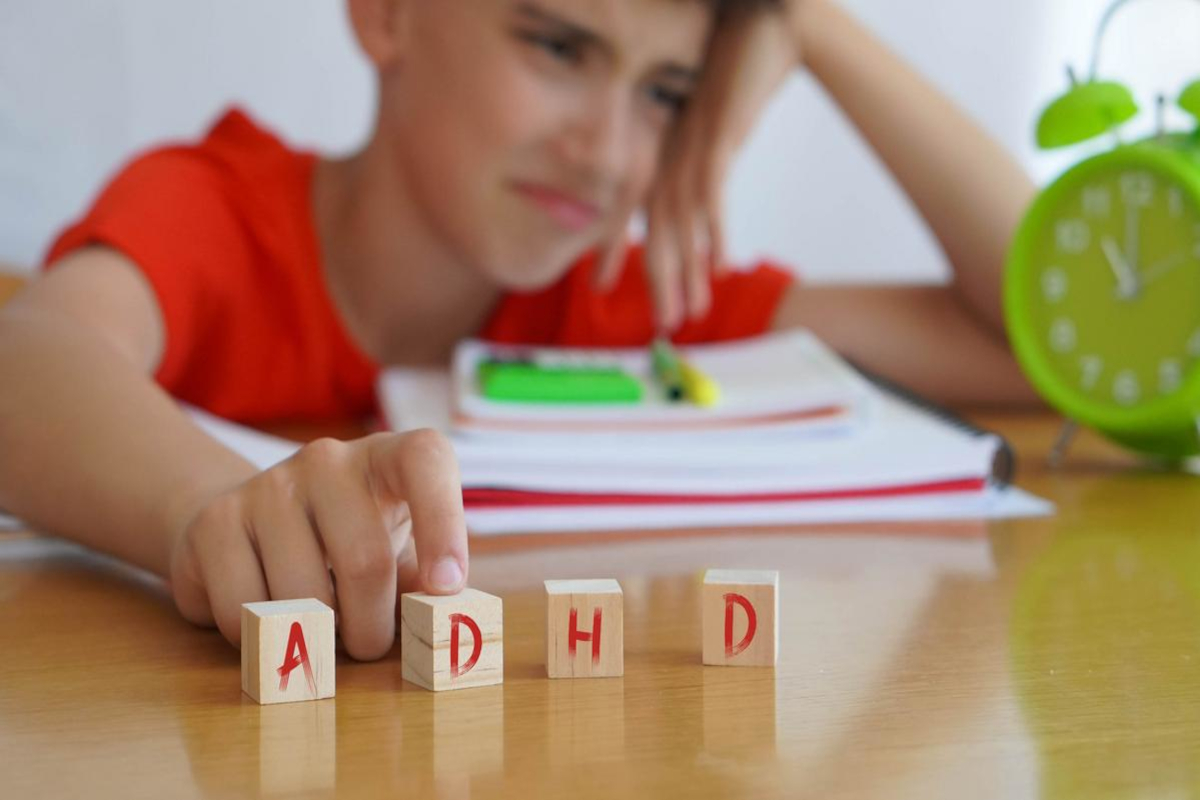
ADHD in Children vs. Adults: Key Differences Parents Should Know
August 1st, 2026 by admin
Understanding ADHD Across the Lifespan
Attention-Deficit/Hyperactivity Disorder (ADHD) doesn't look the same at every age. While many people think of ADHD as a childhood condition characterized by hyperactive behavior in the classroom, the reality is far more nuanced. ADHD affects individuals differently depending on their age, and understanding these differences is crucial for parents seeking help for their children and adults who may be recognizing symptoms in themselves for the first time.
At Balanced Mental Health of Arizona, we provide comprehensive testing and treatment for ADHD for patients ages 6 and up, recognizing that each person's experience with ADHD is unique. Whether you're a parent concerned about your child's focus and behavior or an adult wondering if your lifelong struggles might be explained by undiagnosed ADHD, understanding the age-specific manifestations of this condition is the first step toward effective treatment.
How ADHD Presents in Children
In children, ADHD symptoms tend to be more visible and disruptive, which is why the condition is often identified during the school-age years. However, symptoms can appear as early as age 6 or even younger, though diagnosis typically requires that behaviors persist for at least six months and occur in multiple settings.
Common Childhood ADHD Symptoms
- Hyperactivity: Excessive fidgeting, difficulty staying seated, running or climbing inappropriately, and an overall sense of being "driven by a motor"
- Impulsivity: Interrupting others, difficulty waiting their turn, blurting out answers, and acting without thinking about consequences
- Inattention: Difficulty following instructions, losing school supplies, making careless mistakes, and appearing not to listen when spoken to directly
- Academic challenges: Struggling to complete homework, disorganization, and inconsistent performance despite adequate intelligence
- Social difficulties: Trouble making or keeping friends due to impulsive behavior or difficulty reading social cues
For children, the hyperactive-impulsive symptoms often stand out most prominently. Teachers may report that a child can't sit still during lessons, constantly interrupts class discussions, or has difficulty following multi-step directions. Parents might notice their child seems to be in constant motion, has trouble playing quietly, or frequently loses belongings.
It's important to note that not all children with ADHD display obvious hyperactivity. Some children, particularly girls, may present with predominantly inattentive symptoms, appearing quiet and daydreamy rather than disruptive. These children are often overlooked because they don't cause classroom disruptions, yet they struggle just as significantly with focus, organization, and academic performance.
ADHD in Adults: A Different Picture
As individuals with ADHD mature, the presentation of symptoms often shifts dramatically. While the underlying neurological differences remain, adults typically develop coping mechanisms and face different environmental demands than children, which changes how ADHD manifests in daily life.
Adult ADHD Symptoms
- Internal restlessness: Instead of physical hyperactivity, adults often experience mental restlessness, racing thoughts, or a constant need for stimulation
- Chronic procrastination: Difficulty initiating tasks, especially those that seem boring or overwhelming, leading to last-minute rushes
- Time management challenges: Chronic lateness, underestimating how long tasks will take, and difficulty prioritizing
- Emotional dysregulation: Quick frustration, mood swings, and difficulty managing stress or disappointment
- Relationship difficulties: Forgetting important dates, appearing not to listen to partners, and impulsive decision-making that affects relationships
- Workplace struggles: Missing deadlines, difficulty with paperwork and administrative tasks, and challenges with sustained attention during meetings
- Low self-esteem: Years of feeling "different" or "not living up to potential" can create significant self-doubt
Many adults with ADHD have developed sophisticated masking strategies over the years, which can make the condition less obvious to others while still causing significant internal struggle. They might use excessive planning systems, rely heavily on reminders and alarms, or avoid situations that expose their difficulties.
It's also common for adults to seek evaluation only after their child is diagnosed with ADHD. Recognizing symptoms in their child prompts them to reflect on their own lifelong challenges and consider whether they might share the same condition.
Key Differences in Diagnosis
The diagnostic process for ADHD differs somewhat between children and adults, though both require comprehensive psychiatric evaluations to ensure accurate assessment.
Diagnosing Children
For children, diagnosis typically involves gathering information from multiple sources: parents, teachers, and sometimes other caregivers. Rating scales and behavior checklists help quantify symptoms across different settings. Academic records and teacher reports provide valuable insight into how symptoms affect learning and peer relationships.
The evaluation also includes ruling out other conditions that might explain the symptoms, such as learning disabilities, anxiety, or sleep disorders. Since children's brains are still developing, clinicians must be careful to distinguish between typical developmental variations and genuine ADHD symptoms that significantly impair functioning.
Diagnosing Adults
Adult diagnosis can be more complex because it requires establishing that symptoms were present during childhood, even if they weren't recognized at the time. Many adults don't have childhood records available, so diagnosis relies heavily on personal history and current symptom presentation.
Adults often present with more internalized symptoms and have developed compensatory strategies that mask the full extent of their difficulties. The evaluation must consider how symptoms impact adult responsibilities like work performance, financial management, and relationships. Additionally, adults are more likely to have co-occurring conditions like anxiety or depression that developed in response to years of unmanaged ADHD.
Treatment Approaches Across Ages
While the core treatments for ADHD - medication and behavioral interventions - remain consistent across ages, the specific approach is tailored to developmental stage and individual needs.
Treatment for Children
For children, especially those under 12, treatment typically begins with parent training and behavioral interventions. These approaches teach parents and teachers strategies to support the child's success, such as establishing clear routines, using positive reinforcement, and breaking tasks into manageable steps.
Medication management is often recommended in conjunction with behavioral strategies. Stimulant medications have been extensively studied in children and show strong effectiveness in reducing core ADHD symptoms. The goal is to improve the child's ability to benefit from behavioral interventions and succeed in school and social settings.
School accommodations, such as extended test time, preferential seating, or modified assignments, can also be crucial components of a child's treatment plan. Parent education helps families understand that ADHD is a neurological condition, not a result of poor parenting or lack of discipline.
Treatment for Adults
Adult treatment often emphasizes medication alongside cognitive-behavioral strategies tailored to adult life challenges. Adults benefit from learning organizational systems, time management techniques, and strategies for managing workplace demands.
Medication can be transformative for adults who have struggled for years without understanding why. Many adults report that treatment helps them finally feel like they can access their full potential. However, finding the right medication and dosage may require patience and ongoing adjustments.
Adults also benefit from addressing co-occurring conditions like anxiety or depression that may have developed over years of struggling with undiagnosed ADHD. Therapy can help process feelings of grief about missed opportunities and rebuild self-esteem.
The Whole-Person Approach to ADHD Treatment
At Balanced Mental Health of Arizona, we believe in treating the whole person, not just symptoms. Our approach recognizes that ADHD affects every aspect of life - emotional well-being, relationships, self-esteem, and daily functioning. We offer innovative options beyond traditional medication, including genetic testing for medication efficacy to help identify which medications are most likely to work for each individual patient.
For both children and adults, successful ADHD management involves ongoing support and adjustment. What works at age 8 may need modification at age 14, and adult responsibilities like parenting or career advancement may require treatment refinement. Regular follow-up ensures that treatment evolves with the patient's changing needs.
When to Seek Professional Evaluation
If you're a parent noticing persistent difficulties with attention, hyperactivity, or impulsivity in your child that interfere with school, friendships, or family life, a professional evaluation is warranted. Similarly, if you're an adult experiencing chronic struggles with organization, time management, focus, or emotional regulation that affect your work or relationships, consider seeking assessment.
ADHD is highly treatable at any age. Early intervention for children can prevent secondary problems like academic failure and low self-esteem. For adults, diagnosis and treatment can be life-changing, finally explaining lifelong struggles and opening the door to effective management strategies.
Moving Forward with Confidence
Understanding how ADHD presents differently across the lifespan empowers both parents and patients to recognize symptoms and seek appropriate care. Whether you're concerned about your 6-year-old's classroom behavior or finally ready to address your own lifelong challenges with focus and organization, comprehensive evaluation and individualized treatment can make a profound difference.
The experienced team at Balanced Mental Health of Arizona provides compassionate, evidence-based care for ADHD across all ages. We serve patients throughout the Phoenix and Goodyear area, offering both in-person and telehealth appointments to make care accessible and convenient. If you're ready to explore whether ADHD might be affecting you or your child, we're here to help you find answers and develop a path forward toward greater success and well-being.