
Introduction
Adjustment Disorder is a stress-related mental health condition in which a person experiences emotional or behavioral symptoms that are disproportionate to a specific life stressor, such as a job loss, divorce, serious illness, or major life change. Unlike other mood or anxiety disorders, adjustment disorder is directly tied to an identifiable stressor and typically resolves as the person adapts to the new situation or the stressor passes.
Causes
Adjustment disorder is caused by the inability to cope effectively with a significant life stressor. Common triggers include relationship difficulties, financial problems, work-related stress, bereavement, retirement, moving, or being diagnosed with a serious illness. Individual factors such as coping skills, available support, prior mental health history, and personality all influence susceptibility to developing the condition.
Symptoms
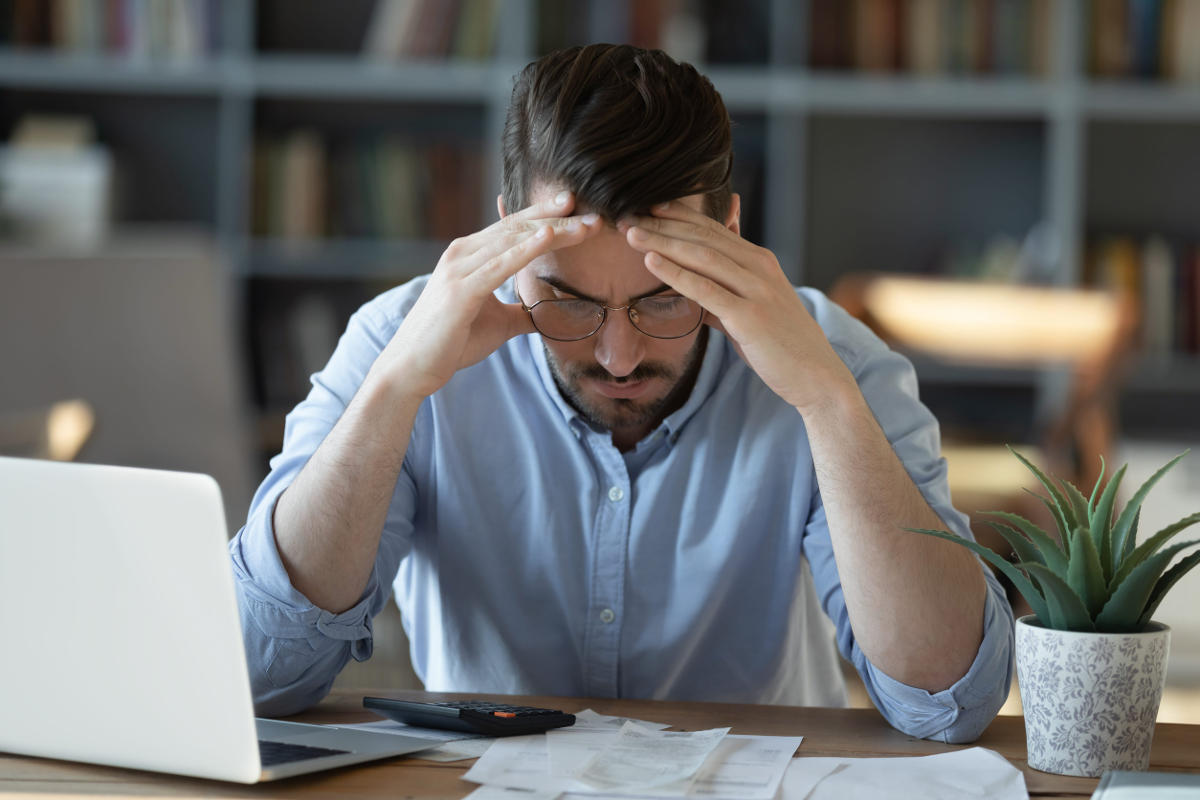
Symptoms may include persistent sadness, tearfulness, hopelessness, anxiety, worry, difficulty sleeping, difficulty concentrating, and changes in behavior such as withdrawing from social activities, neglecting responsibilities, or acting impulsively. The symptoms are more intense or prolonged than would typically be expected given the stressor and cause meaningful impairment in social, work, or school functioning.
Diagnosis
Diagnosis is made by a clinician who reviews the patient's history, symptoms, and relationship to a specific stressor. DSM-5 criteria require that symptoms begin within three months of the stressor, are disproportionate to its severity, and do not meet the criteria for another mental disorder. The condition may be specified as with depressed mood, with anxiety, with mixed anxiety and depressed mood, with disturbance of conduct, or as unspecified.
Treatment
Psychotherapy is the primary treatment for adjustment disorder, with short-term approaches such as cognitive behavioral therapy (CBT), supportive counseling, and problem-solving therapy being particularly effective. Treatment focuses on building coping skills, processing the stressor, and restoring functioning. Medications such as antidepressants or anxiolytics may be used short-term to manage specific symptoms like persistent anxiety or insomnia.
This information is intended for educational and informational purposes only. It should not be used in place of an individual consultation or examination or replace the advice of your health care professional and should not be relied upon to determine diagnosis or course of treatment.